Ethics are a set of moral principles a person has that guide their behaviour. In education there is a goal of learning; how to achieve positive learning is set out in numerous texts (DeNobile et al 2021). How will we manage this now with the rapid growth of Artificial Intelligence (A.I.) such as ChatGPT? Liu et al (2023) addresses concern and composes some thoughts on A.I. possible future.
While education is a student showing their learning (Bearman and Ajjawi 20323) worries remain how A.I. will impact upon education. Bearman and Ajjawi (2023) have suggested the understanding of the working of A.I. is not practical for teachers, we must forfeit the epistemology. But we must also enhance our pedagogy. Liu et al (2023) believe there is opportunity for this improvement of pedagogy and a greater student ability for creative thinking.
Currently with the rapid growth of A.I. there are difference in the thinking of academics to the nature and effect of A.I. (Tampo et al 2023). While they (Tampo et al 2023) can see positives; they are concerned about learning. The student’s knowledge growth must still be achieved, not the ability to use A.I. It becomes an issue of everyone’s personal ethics while they are learning. The use of A.I. needs to be accepted it cannot be ignored by us as teachers (Liu et al 2023, Tampo et al 2023).
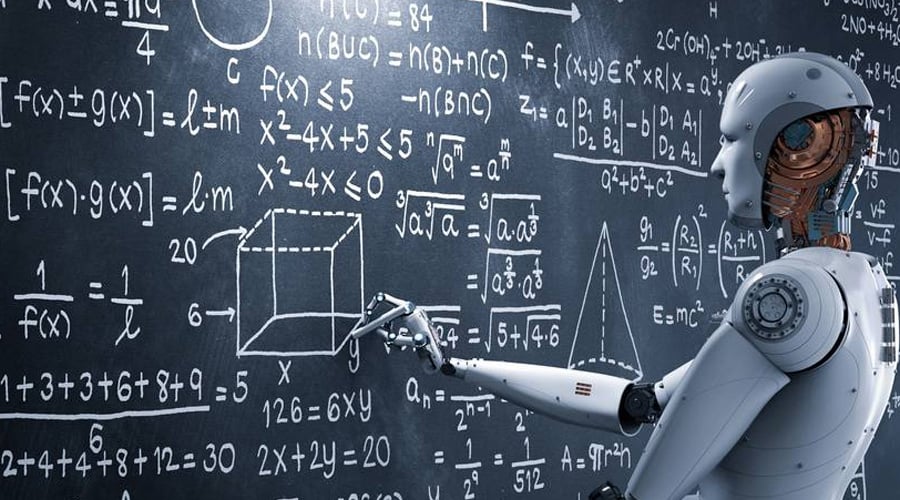
Bearman and Ajjawi (2023) suggest high quality writing example be compared to A.I. and a comparison of the results worked through by students. They suggest it will show students of the current generation of A.I. downfalls. Building upon this both Liu et al (2023) and Tampo (2023) advocate assessment of student’s critical thinking be raised. Asking students more complex questions of their knowledge.
It is impractical to assume students will not use A.I. to assist them with their studies (Tampo et al 2023). Once we accept this the use of A.I. becomes part of the assessment process, once it is within the process it can be referenced. Bearman and Ajjawi (2023) believe this is an opportunity for improve pedagogy, which surely only creates better learning outcomes for students?
Bearman, M., & Ajjawi, R. (2023). Learning to work with the black box: Pedagogy for a world with artificial intelligence. British Journal of Educational Technology, 54(5), 1160–1173. https://doi.org/10.1111/bjet.13337
De Nobile, J., Lyons, G., & Arthur-Kelly, M. (2021). Positive Learning Environments: Creating and Maintaining Productive Classrooms, 2nd Edition. South Melbourne: Cengage. ISBN: 9780170439138
Liu, D., Bridgeman, A., and Miller, B., (2023) As uni goes back, here’s how teachers and students can use ChatGPT to save time and improve learning, The Conversation February 28, 2023
Tampo, N., Ali, A., Young, P. A., and Thekdi, S., (2023) Should AI be permitted in college classrooms? 4 scholars weigh in, The Conversation September 4, 2023
Image https://www.analyticsinsight.net/attention-human-teachers-robot-teachers-are-on-your-way/
Tampo, N., Ali, A., Young, P. A., and Thekdi, S., (2023) Should AI be permitted in college classrooms? 4 scholars weigh in, The Conversation September 4, 2023
 Technology Savior or Terminator?